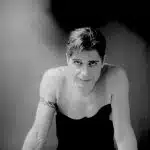
Biography
Ballet Class
Carlos Pinillos was born in Madrid. At the age of five, he began his dance training. Two years later he got a scholarship and entered the school of his mentor Victor Ullate, a house that also saw the growth of other dancers such as Lucia Lacarra, Tamara Rojo, Ángel Corella or Joaquín de Luz, among others.
Throughout his career, other teachers besides Ullate were part of his training in a significant way. Alain Baldini and Attilio Labis from the Paris Opera or José Parés and Aurora Bosch from the Cuban National Ballet are some of them.
He made his professional debut with Ballet Victor Ullate in 1995. A year later, the international dance magazine Ballet 2000 already mentioned Carlos as a Young Revelation. In 1998, he received first prize at the Vienna International Competition and in 2000 he was promoted to principal dancer.
In 2016, he received the Positano / Léonide Massine Prize for Dancer of the Year on the International Stage.
That same year he participated with the Arena di Verona ballet in the production of “Giselle”, even before being invited by Marc Jonkers, in 2001, to join the cast of the CNB, where he still remains as principal dancer, under the direction of Carlos Prado. .
Carlos’ career includes works by choreographers such as Mischa van Hoecke, Niels Christie, Uwe Schölz, Robert North, Kevin O’Day, Mauro Bigonzetti, Jiri Kylian or Nacho Duato. He also performed the main roles in ballets from the classical repertoire such as “Giselle” (G. Garcia), “Coppélia” (J. Auld), “A Dama das Camélias” (M. Balkan) or “O Lago dos Cisnes” (M. Balkan). De Ullate, based on Petipa’s version, danced the great classic “Don Quijote”, playing the role of Basilio. But the choreographer takes a risk by creating for him a role usually played by a woman, Cupid; thus becoming the first man to represent him in more than a century of the work’s existence and who became the secret to the success of this particular version.
In 2003, Olga Roriz created with him the role of Pedro Jovem in her mythical play “Pedro e Inês”, alongside the exceptional dancer Henriett Ventura and in 2005, the Associação Amigos da CNB, awarded him the “A Moment of Excellence” award. for his interpretation of the ballet “Cinco Tangos” by Hans van Manen, a choreographer for whom he has performed ballets
such as “In the Future”, “In and out”, “Grösse Füge”, “Hammerklavier”, “Solo” and “Kammerballet”.
In 2006, he played Puck in “A Midsummer Night’s Dream” by H. Spöerli. Dance Europe magazine classifies Carlos as one of the best dancers of the moment and he is invited by Ángel Corella to participate in his show “Stars of American Ballet”, where he plays Apollo by G. Balanchine alongside Julie Diana, from Pennsylvania.Ballet. This choreographer also represented the works “Allegro Brillante”, “Theme and Variations” and “Who Cares!”.His partners include names such as Tamara Rojo, Dária Klimentová, Alina Cojocaru, Cristine Camille or Ana Lacerda, but it is with Filipa de Castro that Carlos almost always represents the CNB in the most prestigious international dance events, such as the “International Ballet Festival of Miami” (where he was commissioned to create his first choreography “Vent” with music by Mário Franco), “Gala des Ètoiles de Montréal”, “YAGP Tour”, “International Ballet Festival Riga”, “World Ballet Competition Gala Romania” , “International Ballet Gala Tokyo/ Takamatsu”, “Maputo International Music Festival”, “International Ballet Gala Karlsruhe” with Itziar Mendizabal, “Gala des Ètoiles de Luxemburgo” with Irena Veterova or “Eleonora Abagnatto and Friends in Cattolica” together with Barbora Hruskova.In 2008 and 2009 he was a guest artist at the Prague State Opera to perform “Swan Lake” alongside Ana Lacerda and Dária Klimentová. In 2009, “Carmina Burana” with the Limoges Opera and in 2012 “Don Quijote” with the Istanbul State Ballet. That same year, Dance Europe once again highlighted his performance in J. Cranko’s Romeo and Juliet, alongside Leonor de Távora, mentioning Carlos as one of the 100 best dancers of the moment.Emma Manning highlights the brilliance of his technique and Anne Kisselgoff, from the “New York Times”, defines it as an interesting mix of pure technique and intense contact with the public.In 2023 he presents the show “Nuestros Nombres”, written by him, inspired by the literary work of José Saramago and which was part of the official celebrations of the Centenary of the Birth of Saramago.
Biografia
Ballet Clássico
Carlos Pinillos nasceu em Madrid. Com cinco anos de idade inicia a sua formação em dança. Dois anos mais tarde consegue uma bolsa e ingressa na escola do seu mentor Victor Ullate, casa que também viu crescer a outros bailarinos como Lucia Lacarra, Tamara Rojo, Ángel Corella ou Joaquín de Luz, entre outros.
Ao longo da sua carreira, outros professores além de Ullate, fizeram parte da sua formação de um modo significativo. Alain Baldini e Attilio Labis da Ópera de Paris ou José Parés e Aurora Bosch do Ballet Nacional de Cuba são alguns deles.
Estreia-se como profissional com o Ballet Victor Ullate em 1995. Um ano depois, a revista internacional de dança Ballet 2000 já menciona a Carlos como Jovem Revelação. Em 1998, recebe o primeiro prémio do Concurso Internacional de Viena e em 2000 é promovido a bailarino principal.
Em 2016, recebeu o Prémio Positano / Léonide Massine para Bailarino do Ano da Cena Internacional.
Nesse mesmo ano participa com o ballet Arena di Verona na produção de “Giselle”, mesmo antes de ser convidado por Marc Jonkers, em 2001, para integrar o elenco da CNB, onde ainda hoje permanece como bailarino principal, sob a direção de Carlos Prado.
Da trajectória de Carlos, formam parte trabalhos de coreógrafos como Mischa van Hoecke, Niels Christie, Uwe Schölz, Robert North, Kevin O’Day, Mauro Bigonzetti, Jiri Kylian ou Nacho Duato. Também interpretou os papéis principais dos bailados do reportório clássico como “Giselle” (G. Garcia), “Coppélia” (J. Auld), “A Dama das Camélias” (M. Balkan) ou “O Lago dos Cisnes” (M. Balkan). De Ullate, sobre a versão de Petipa, dançou o grande clássico “Don Quijote”, interpretando o papel de Basílio. Mas o coreógrafo arrisca criando para ele um papel habitualmente representado por uma mulher, Cupido; convertendo-se assim no primeiro homem que o representa em mais de um século de existência da obra e que se tornou no segredo do sucesso desta particular versão.
Em 2003, Olga Roriz cria com ele o papel de Pedro Jovem na sua mítica peça “Pedro e Inês”, junto da excepcional bailarina Henriett Ventura e em 2005, a Associação Amigos da CNB, entrega-lhe o prémio “Um Momento de Excelência” pela sua interpretação do ballet “Cinco Tangos” de Hans van Manen, coreógrafo de quem já interpretou bailados
como “In the Future”, “In and out”, “Grösse Füge”, “Hammerklavier”, “Solo” e “Kammerballet”.
Em 2006, representa Puck em “Sonho de uma noite de Verão” de H. Spöerli. A revista Dance Europe classifica Carlos como um dos melhores bailarinos do momento e é convidado por Ángel Corella para participar no seu espectáculo “Stars of American Ballet”, onde interpreta Apollo de G. Balanchine junto a Julie Diana, do Pennsylvania
Ballet. Deste coreógrafo também representou as obras “Allegro Brillante”, “Tema e Variações” e “Who Cares!”.
As suas partenaires incluem nomes como Tamara Rojo, Dária Klimentová, Alina Cojocaru, Cristine Camille ou Ana Lacerda, mas é junto a Filipa de Castro com quem quase sempre Carlos representa à CNB nos mais prestiosos eventos de dança internacionais, como “International Ballet Festival of Miami” (onde lhe é encomendada a criação da sua primeira coreografia “Vent” com música de Mário Franco), “Gala des Ètoiles de Montréal”, “YAGP Tour”, “International Ballet Festival Riga”, “World Ballet Competition Gala Romania”, “International Ballet Gala Tokyo/ Takamatsu”, “Festival Internacional de Música de Maputo”, “International Ballet Gala Karlsruhe” junto a Itziar Mendizabal, “Gala des Ètoiles de Luxemburgo” junto a Irena Veterova ou “Eleonora Abagnatto and Friends in Cattolica” junto a Barbora Hruskova.
Em 2008 e 2009 foi artista convidado da Ópera Estatal de Praga para interpretar “O Lago dos Cisnes” junto a Ana Lacerda e Dária Klimentová. Em 2009, “Carmina Burana” com a Ópera de Limoges e em 2012 “Don Quijote” com o Ballet Estatal de Istambul. Neste mesmo ano, Dance Europe volta a destacar a sua interpretação em Romeu e Julieta de J. Cranko, junto a Leonor de Távora, mencionando a Carlos como um dos 100 melhores bailarinos do momento.
Emma Manning realça o brilhantismo da sua técnica e Anne Kisselgoff, do “New York Times”, define-o como uma mistura interessante de pura técnica e intenso contacto com o público.
Em 2023 apresenta o espetáculo “Nuestros Nombres”, de sua autoria, inspirado na obra literária de José Saramago e que integrou as celebrações oficiais do Centenário do Nascimento de Saramago.
 BY
BY